Melissa (Caton) Lentz — A Little Bit Smudgy
Melissa’s Story: We were there when it all started. I don’t know how or why, but we were there. If I were to venture a guess, it was some combination of Francis Schaeffer, Doug Wilson, and a deeply rooted desire on my parents’ part to give their daughters a better education than they themselves had received. I doubt they had any idea what those three tiny classrooms at 911 Generals Highway would one day become.
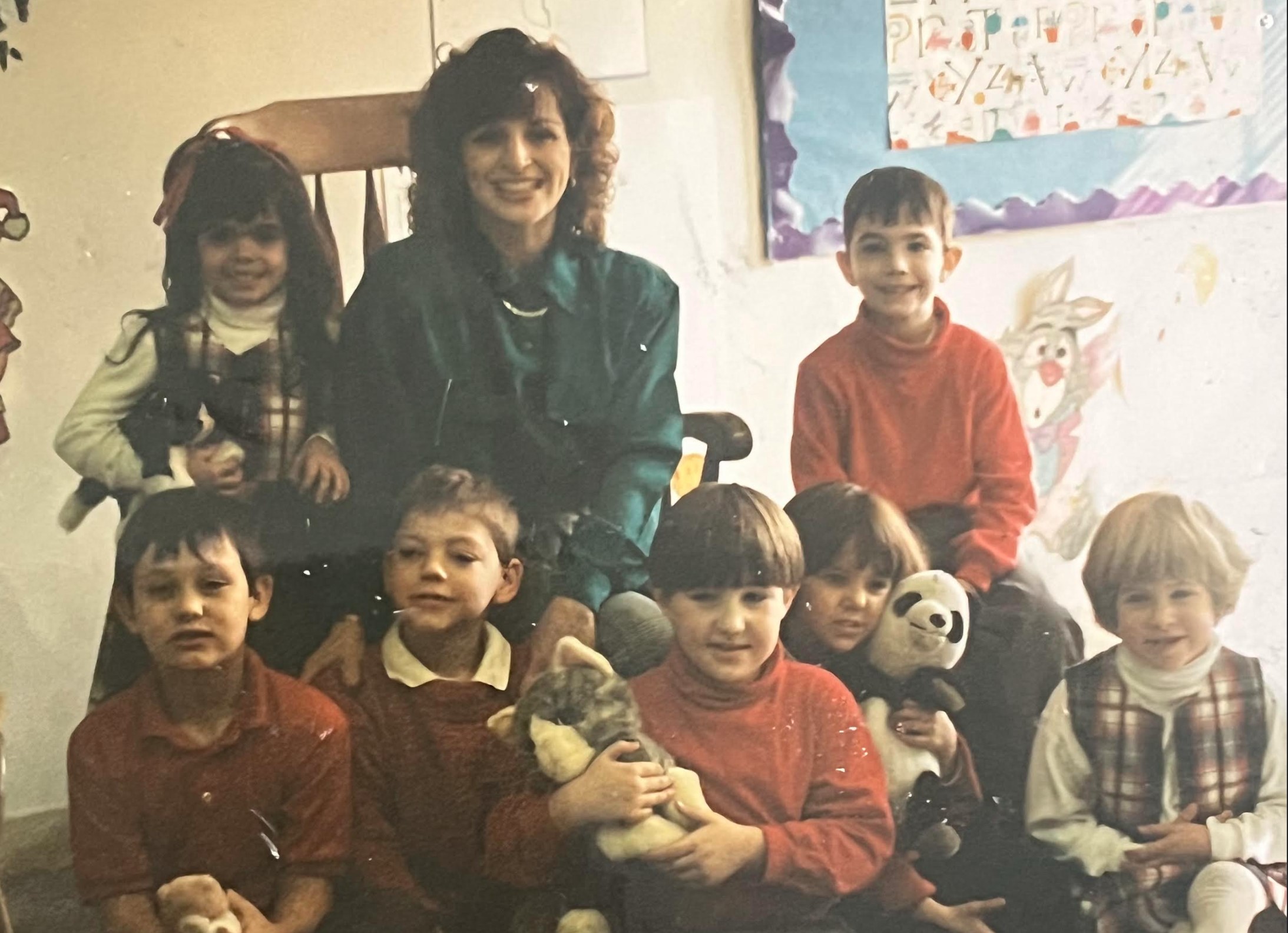
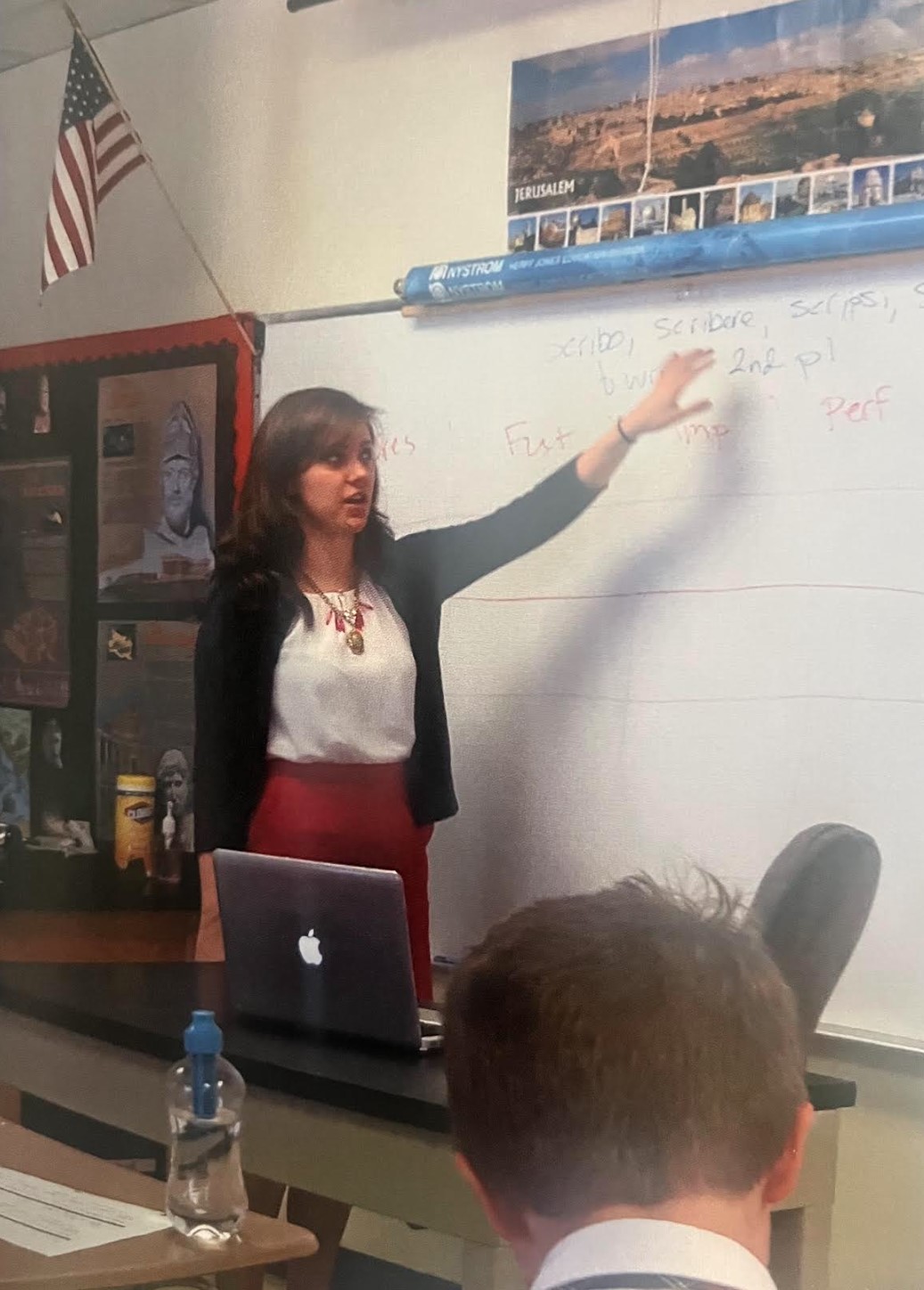
All three of us girls would graduate as “lifers.” My dad, Stuart Caton, would serve on the board for many years and help lead a capital campaign for the Belvoir property. My mom, Joyce, would become one of the most beloved substitutes—not only for her joy, but also for the candy she always brought. And eventually, I would return to teach Latin.
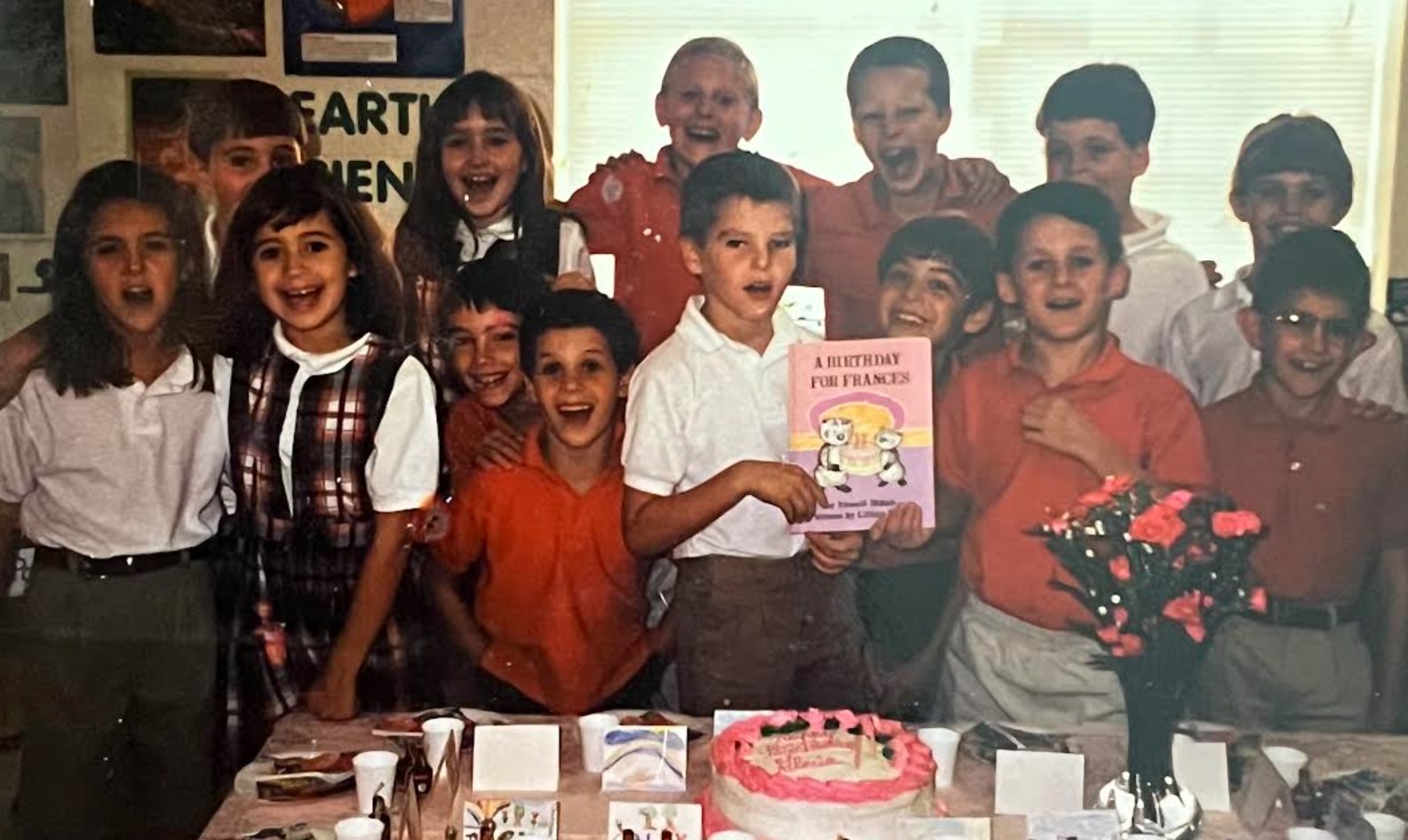
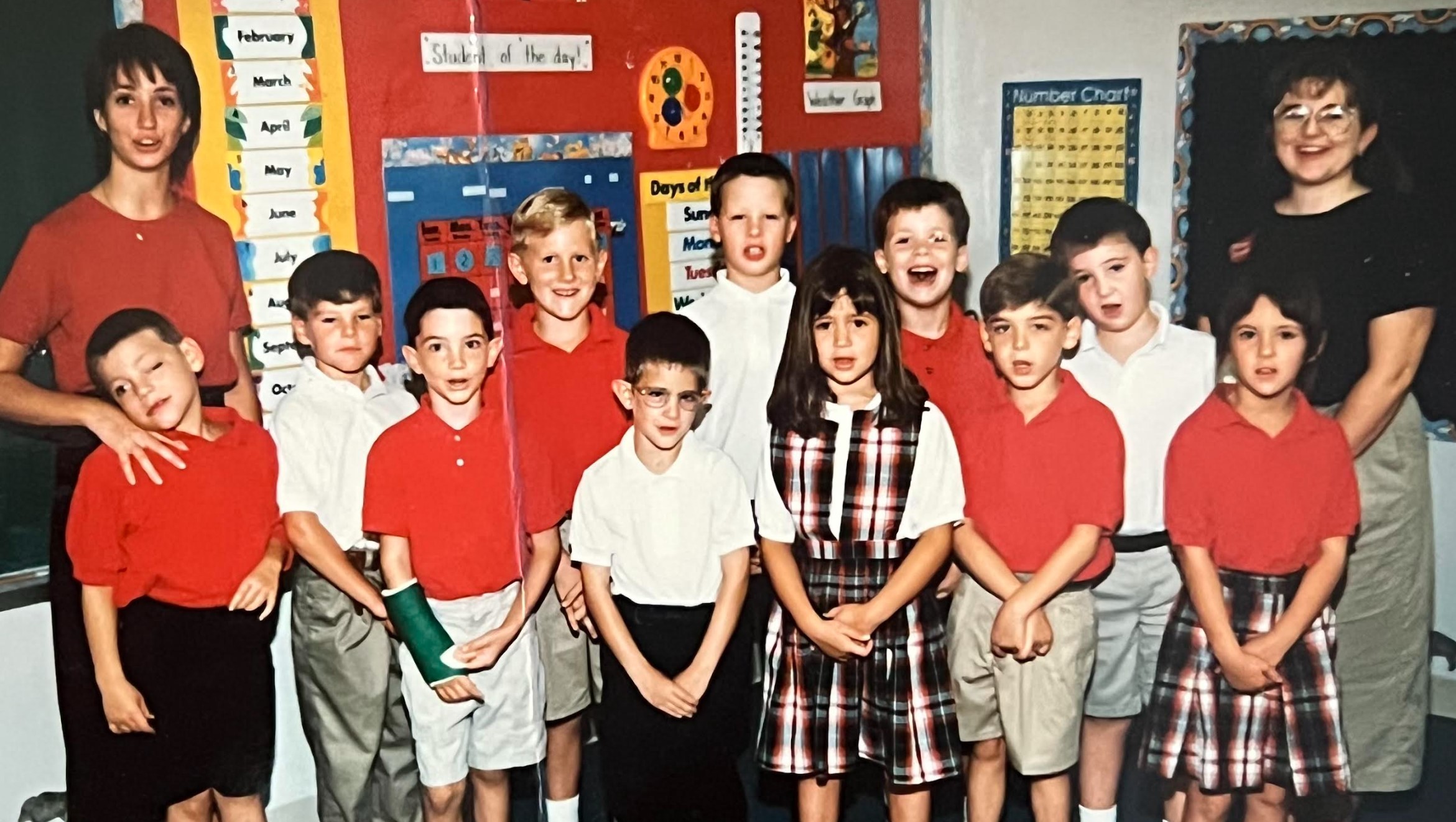
I still remember my first day of kindergarten in 1995 in Mrs. Collins’s classroom. One afternoon we painted our hands and pressed them onto the walls outside the kindergarten hallway. With my hand painted yellow, I approached the wall confidently—until my thumb slipped. What should have been a neat handprint became something closer to a yellow turkey. At four years old, it felt like a small disaster.
As a former English major at Hillsdale College, I now look for symbolism everywhere, and that smudged handprint—one I passed nearly every day for thirteen years, and then again for two more as a teacher—feels telling. It turns out I was a bit smudgy.
I was not a typical Rockbridge student. I struggled with phonics and reading. I was one of the few who didn’t make it into R.A.S. in the early years. I was in the first class assigned to the “B Track.” I didn’t speak much in class discussions, much to the frustration of Mr. Feeney and Mr. Finkbeiner. I wasn’t crisp. I was smudgy.
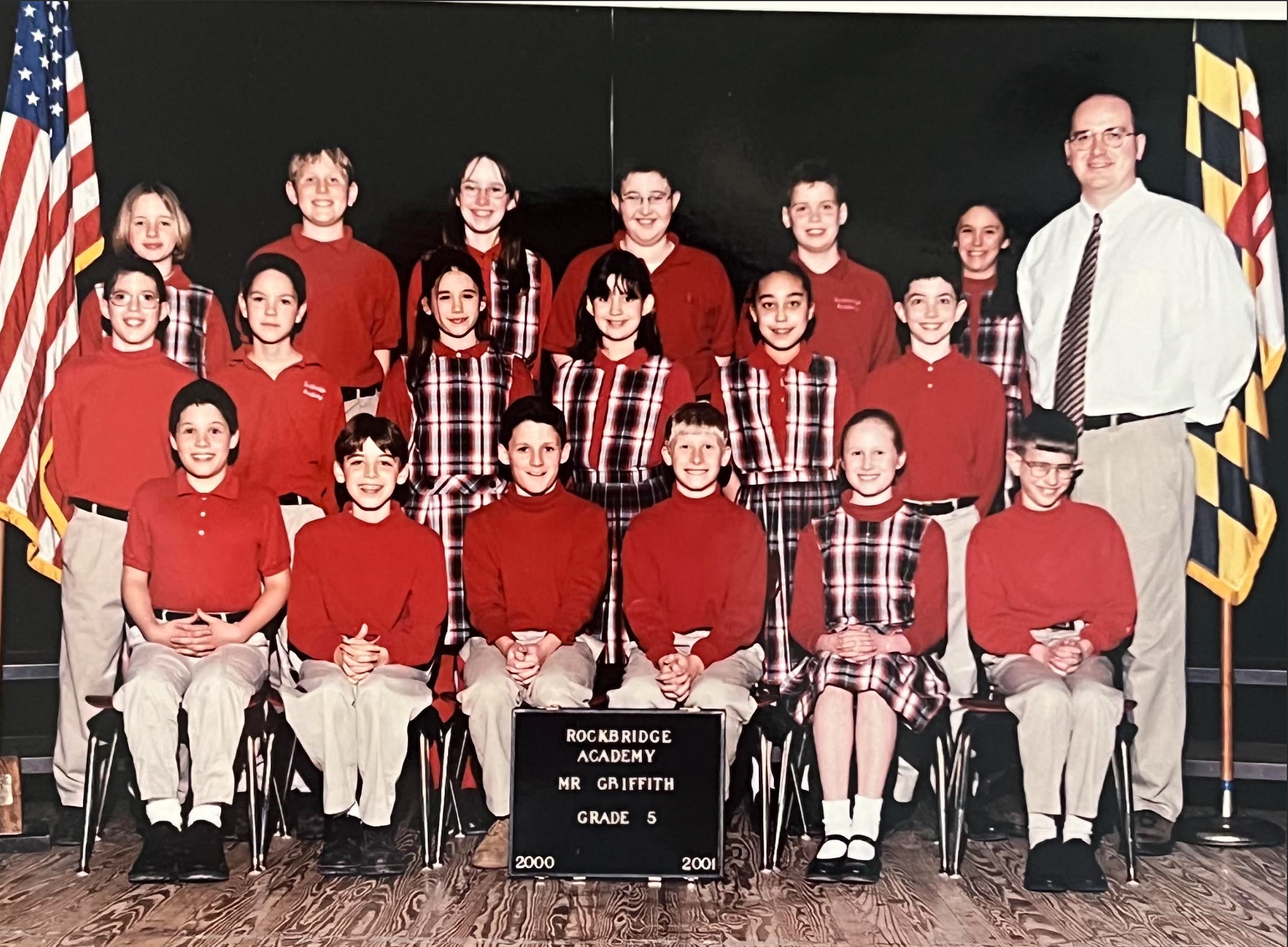
“Rockbridge learned how to care for both the crisp and the smudgy students.”
Most schools efficiently move students like that—students like me—to the margins, giving them little more than an afterthought. Rockbridge did something different. The school adapted, finding ways to fold students like me more deeply into the life of the program. A phonics class was created for those who struggled. Other rigorous and meaningful electives were developed beyond choir. Rockbridge learned how to care for both the crisp and the smudgy students.
And do you know what that produced? I’ll give you another adjective: sticky.
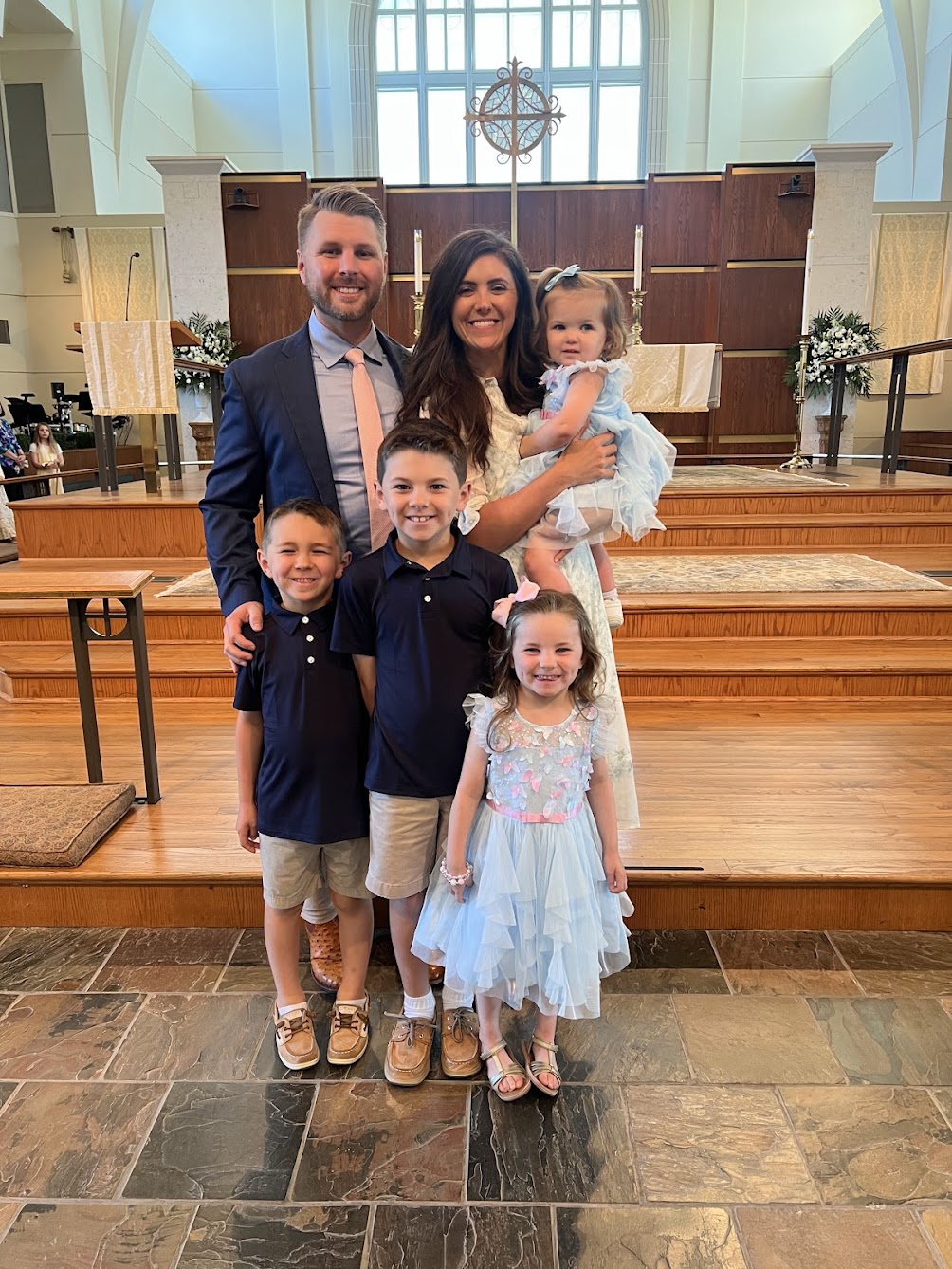
That care, attention, and love made Rockbridge sticky. (If this metaphor feels overly tactile, you can blame my toddler.) Time and again, I find myself drawn back to Rockbridge and to classical education more broadly. I chose Hillsdale because I wanted to recreate the rigor and communal intimacy I had known at Rockbridge. I returned to teach because I wanted to learn from the best. And though we no longer live in Maryland, my children now attend a classical Christian school where I serve as a curriculum specialist and instructional coach. I still regularly reach out to Roy and the wonderful teachers at Rockbridge, seeking their wisdom and counsel.
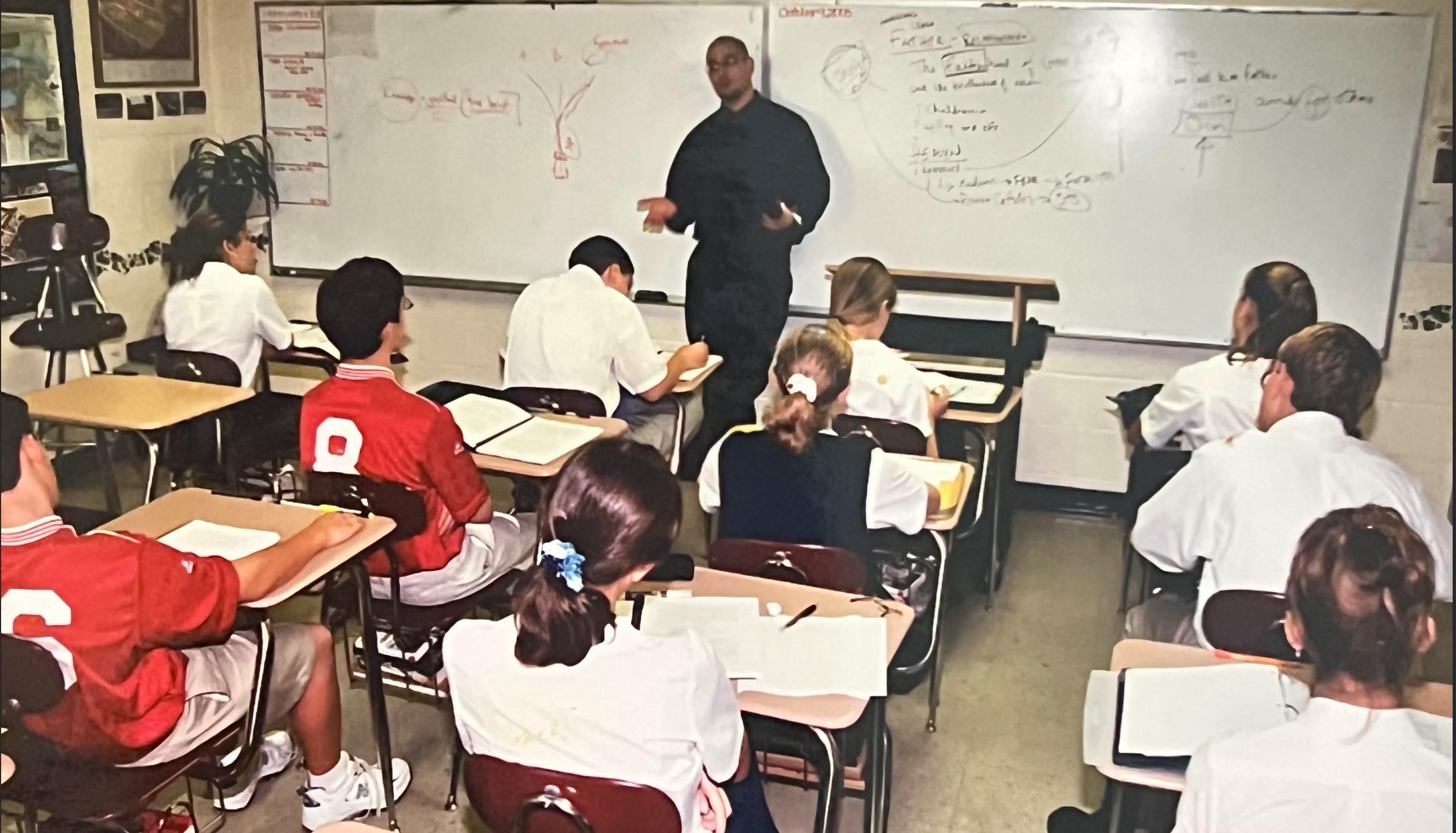
When you build a school that leaves such a deep imprint on its students that they struggle to shake it—and instead find themselves compelled to return, again and again, out of love and respect—you know you have done something good.
Rockbridge has done, and continues to do, good work. The work is hard and often thankless—but it is deeply, enduringly good.
Part of Rockbridge Academy’s 30 Stories for 30 Years.